Understanding the Ornament Design
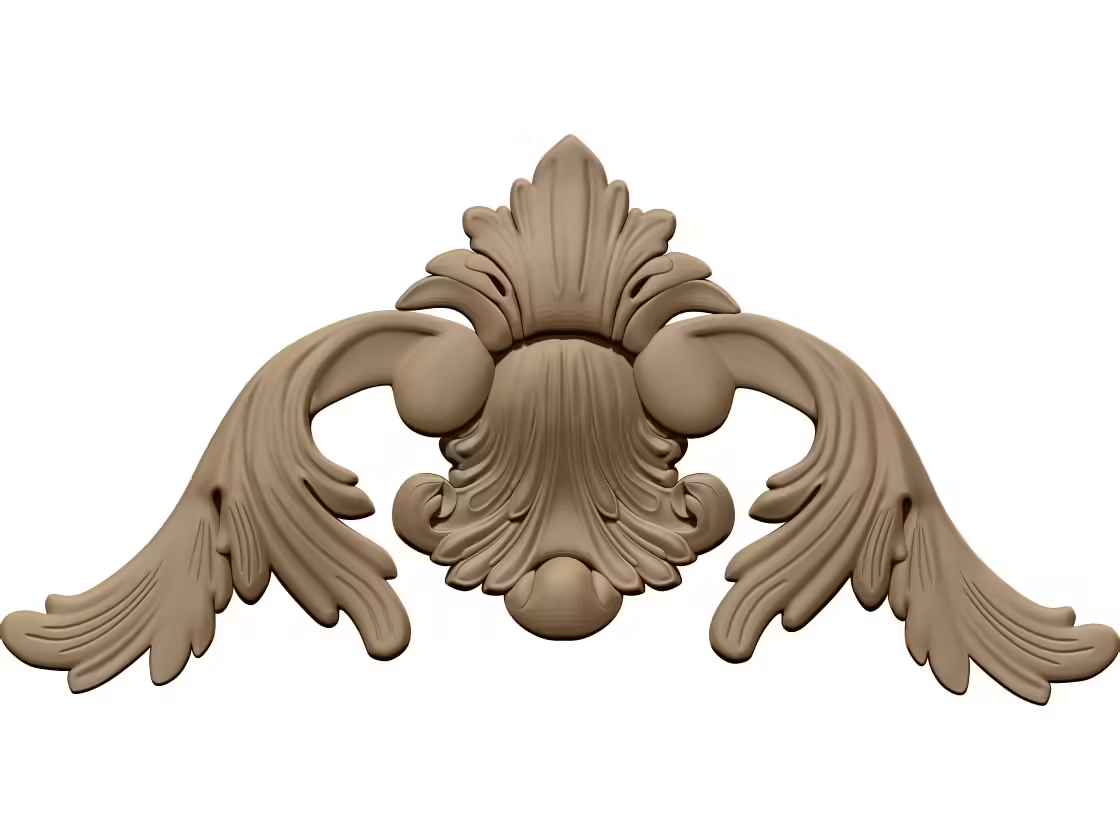
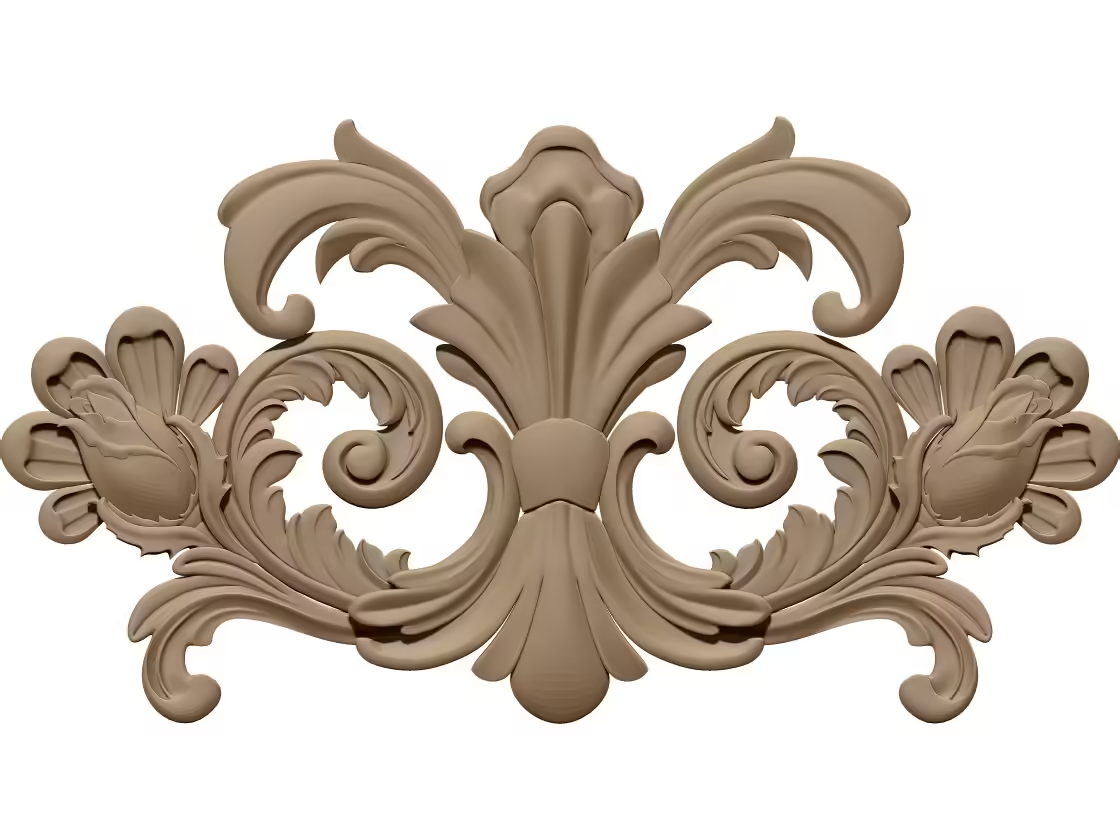
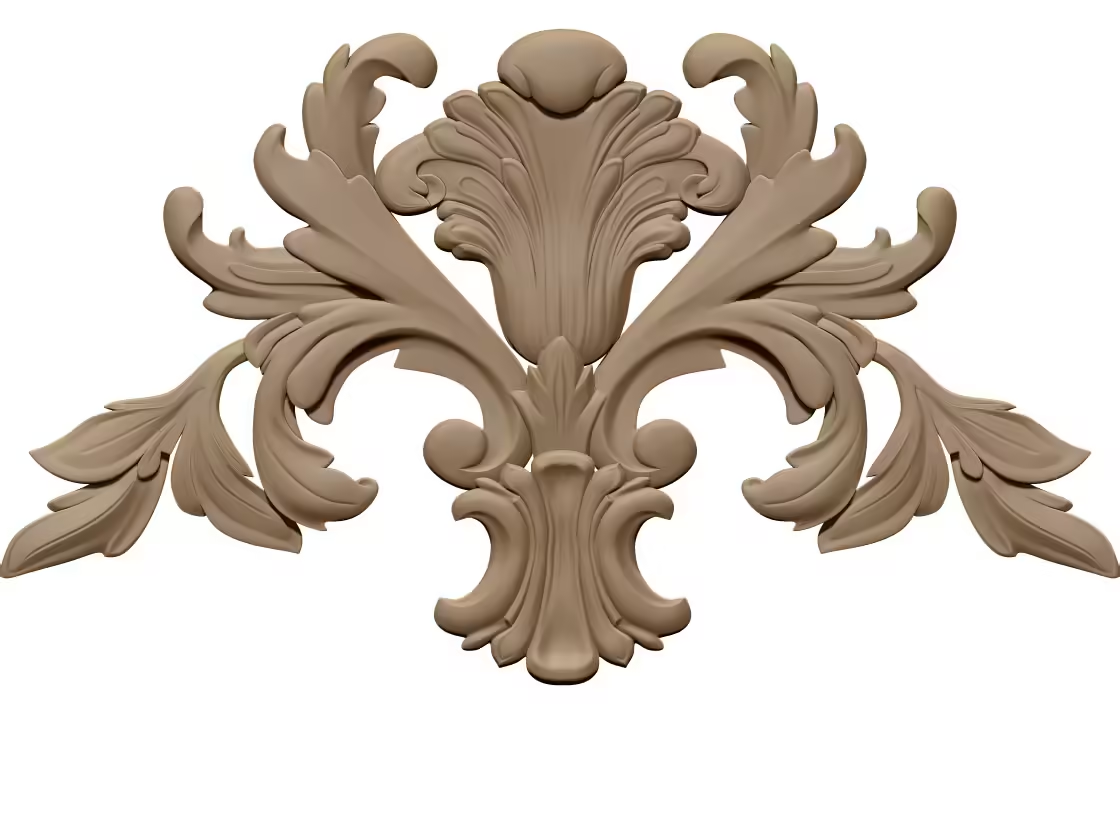
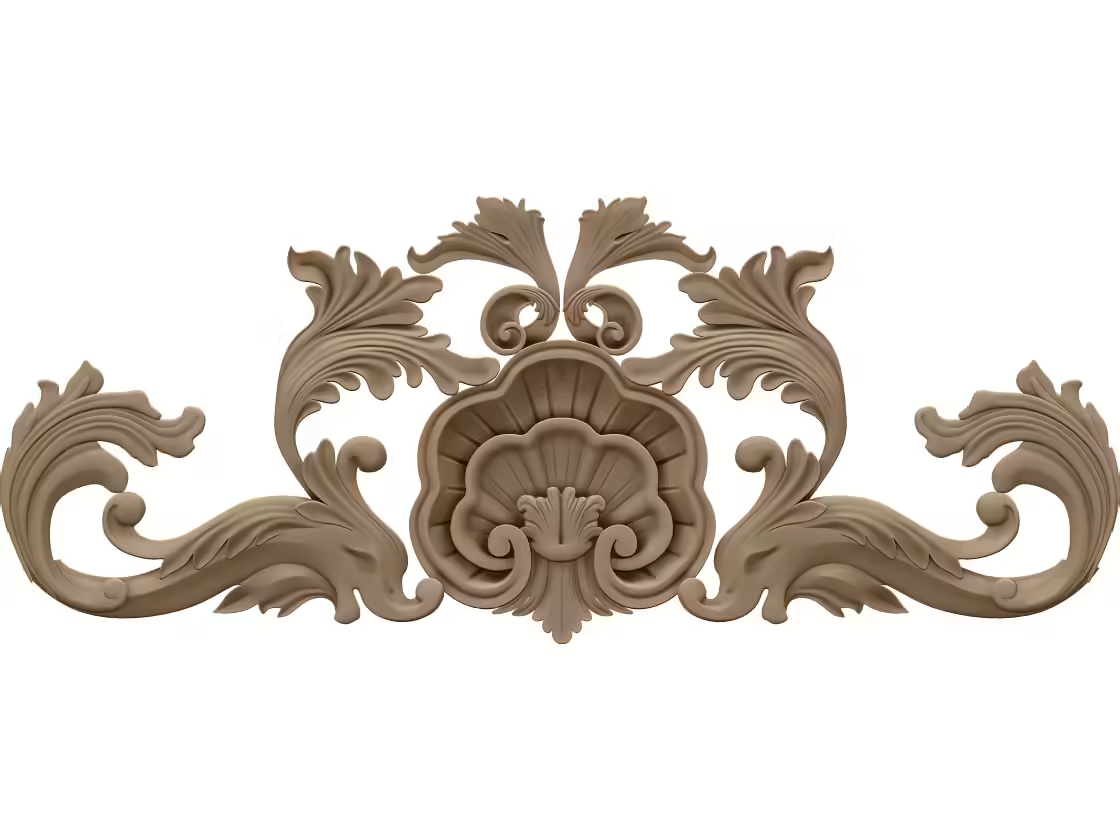
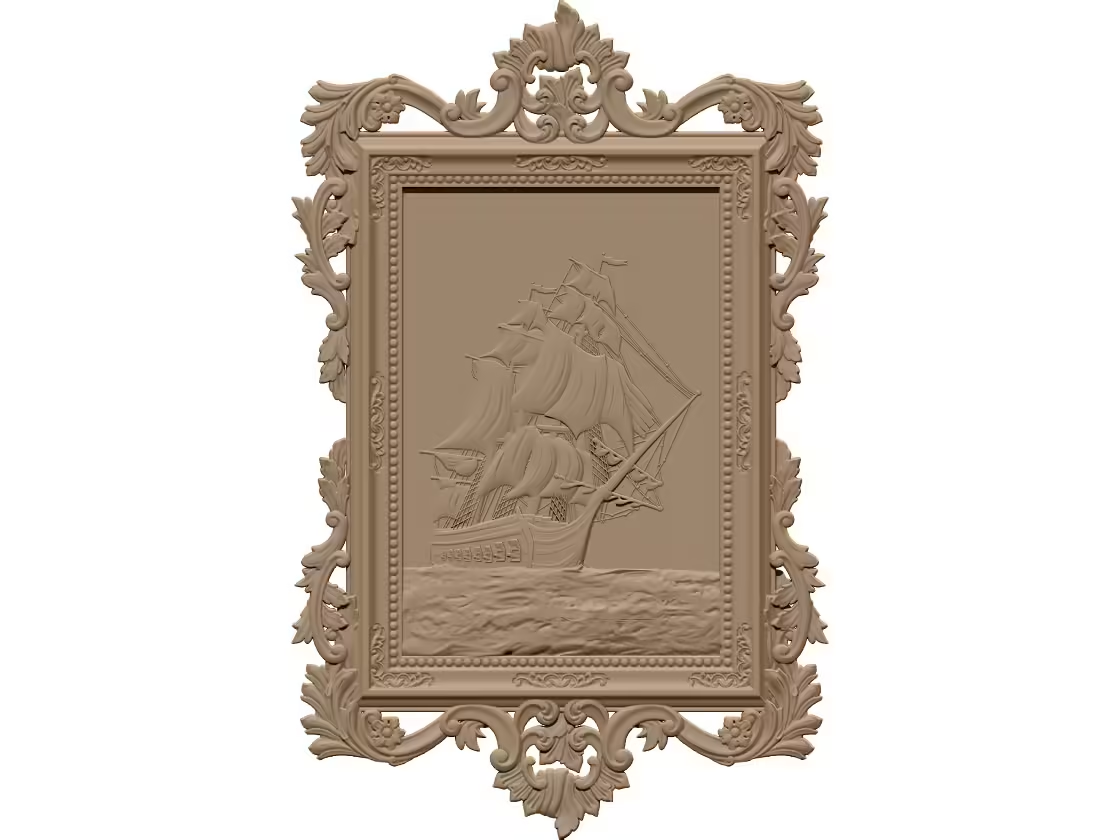
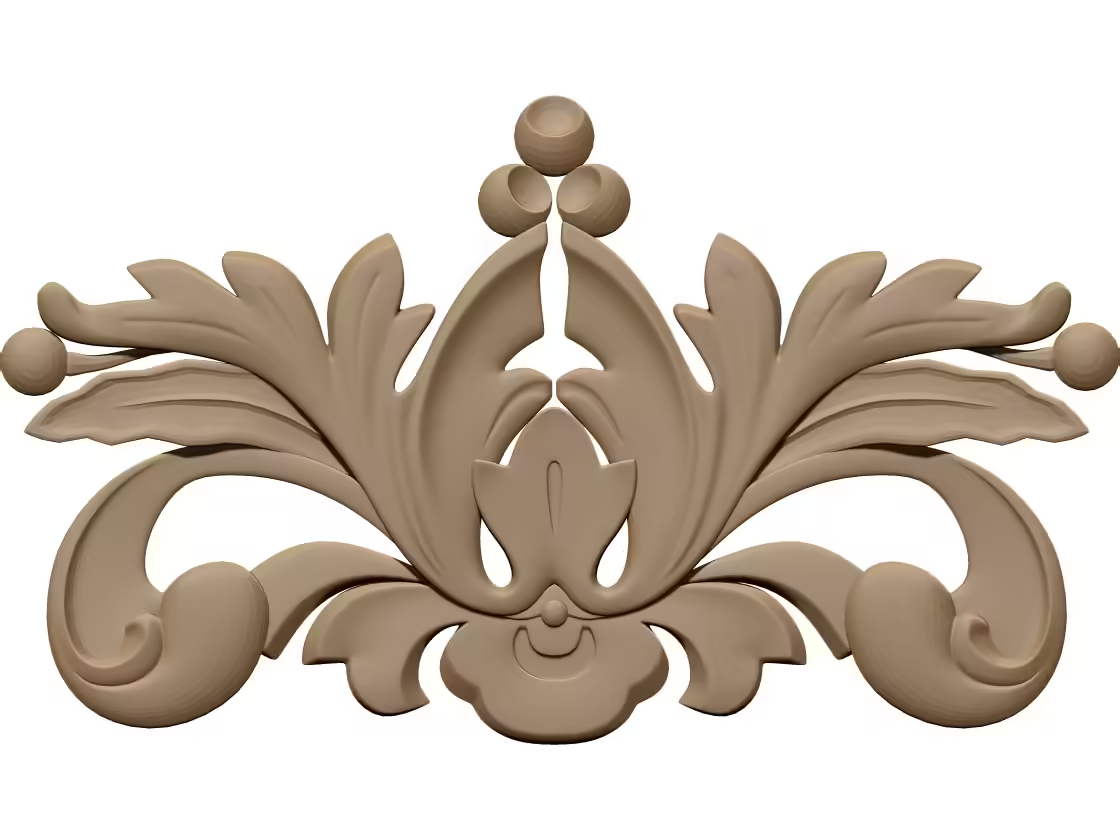
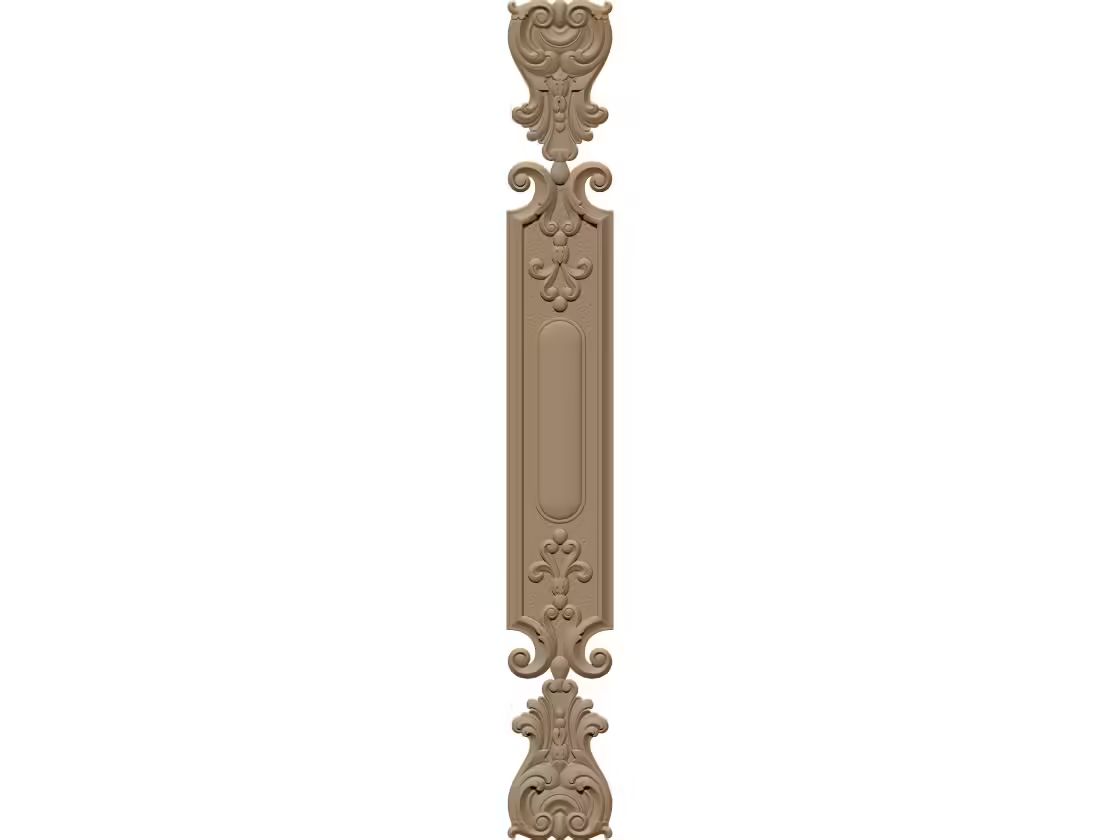
An ornamental carving can add depth and character to furniture, cabinetry, doors, and decorative panels. STL file A002685 provides a digital model intended for CNC carving, allowing a design to be translated into a toolpath and reproduced with consistent detail. Before machining, inspect the model in your design or CAM software. Check its dimensions, overall height, relief depth, and orientation, then confirm that the proportions suit the surface where the ornament will be installed.
Look closely at the raised and recessed areas. Fine curves and narrow details may appear elegant on screen but can be difficult to reproduce with an oversized cutter or on a small workpiece. Reviewing the model at its intended scale helps identify details that may need adjustment.
Preparing for CNC Carving
Successful results depend on careful preparation. Select a material that suits both the ornament’s purpose and the level of detail. Hardwood can provide a durable, polished finish, while softer woods and suitable sheet materials may be easier to machine. Ensure the blank is flat, securely held, and large enough to accommodate the design, including any margin needed for finishing.
In CAM software, choose a toolpath strategy appropriate to the model’s relief. A roughing pass can remove excess material efficiently; a finishing pass with a smaller cutter can capture curves and surface details. Set the cutter, feed rate, spindle speed, and step-over according to the machine, material, and tool manufacturer’s guidance. A test carve on scrap material is a practical way to check scale and settings before committing the final blank.
Finishing and Using the Carving
After machining, remove the ornament carefully and inspect the surface. Light sanding can soften tool marks, but avoid aggressive sanding that may erase fine features. Apply a finish suited to the material and intended setting, testing it first if color consistency is important. Paint, stain, or a clear protective coating can each emphasize the carved contours differently.
With thoughtful scaling, secure setup, and careful finishing, STL file A002685 can serve as a useful starting point for a distinctive decorative feature. The final appearance will depend on the chosen material, machining process, and finishing technique.
Thank You for Being Here
We’re so happy you stopped by! We hope you enjoy your experience and discover the perfect CNC design files for your projects. If you ever need assistance, don’t hesitate to reach out. We’re always glad to help.
Wishing you happy carving, smooth projects, and endless creativity! ✨😊